
Culture
On This Day: W.C. Handy Was Born and Helped Carry the Blues Into American Popular Music
Born in Florence, Alabama, on November 16, 1873, the composer and publisher connected Black folk traditions, Memphis and a musical language that would shape generations.
By Swink Media · · 👁 3 views
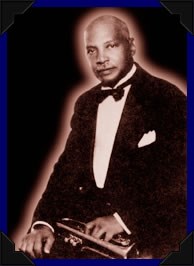
On November 16, 1873, William Christopher “W.C.” Handy was born in Florence, Alabama. The National Park Service records that Handy, the son of formerly enslaved parents, studied classical music, became a cornetist and bandleader, and later taught music at Alabama A&M in Huntsville.
Handy did not invent the blues. Black musicians and communities had developed and performed the tradition before his published work. His lasting role was listening closely to those sounds, arranging them for bands, writing them down and helping move blues compositions into the commercial sheet-music business.
After working in the Mississippi Delta, Handy moved to Memphis in 1909. There, he published “The Memphis Blues” in 1912 and partnered with Harry Pace in the Pace & Handy Music Company on Beale Avenue. Their catalog included Handy’s “St. Louis Blues” and “Beale Street Blues,” works that brought wider attention to a musical tradition rooted in Black Southern life.
Handy’s career links Florence, the Delta and Memphis in a story about artistry, publishing and ownership. His work helped establish the blues as a major force in American popular music while preserving a record of sounds that had long lived in performance and community memory.
Which W.C. Handy composition—or blues artist shaped by the tradition he helped publish—would you play first today?
View original source ↗Swink Media partner placement
Join the conversation
Reader comments
Be the first to join the conversation.